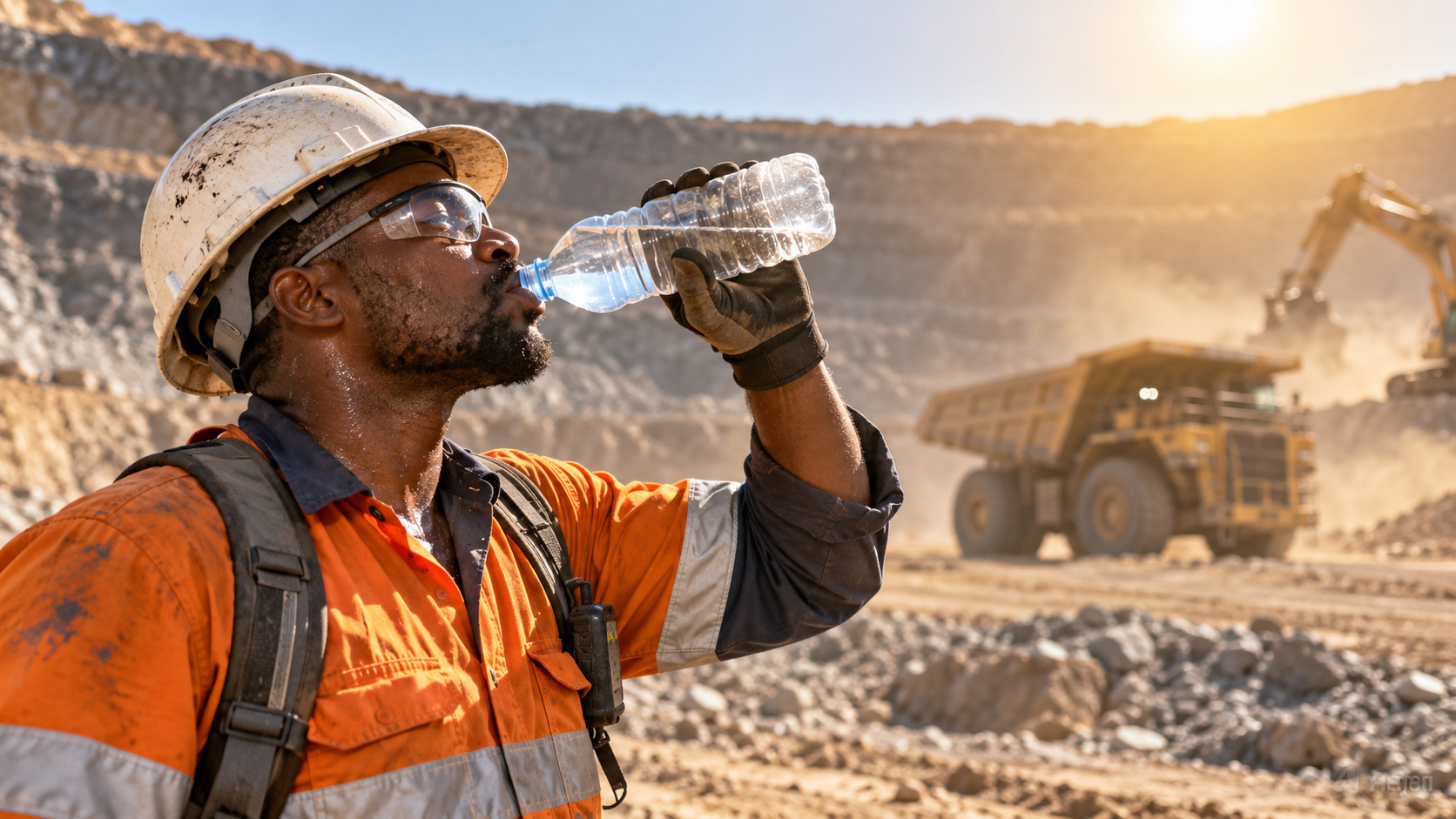
Heat Stress in Mining: Preparing the Workforce for Summer
As South Africa moves into summer, temperatures rise on surface and the heat load underground often becomes harder to manage.
For mining operations, this is not simply a comfort issue.
Heat stress affects health, safety and productivity.
In severe cases, it can be fatal.
Preparing for the warmer months before the hottest days arrive is one of the most practical steps an operation can take to protect its workforce.
Heat Is a Recognised Occupational Hazard
South African mining operations are required to manage thermal stress as part of their occupational health programme.
The Department of Mineral Resources published a guideline for a mandatory code of practice on thermal stress, covering occupational hygiene and medical surveillance.
This framework recognises that heat exposure must be measured, controlled and monitored, and that workers’ fitness to work in hot conditions must be assessed.
Why Mines Get So Hot
Underground, heat comes from several sources:
- Virgin rock temperature, which increases with depth
- Auto-compression of air as it travels down shafts
- Machinery and equipment
- Groundwater
- The workers themselves
On surface and in open-pit operations, summer temperatures, direct sunlight and heat radiating from equipment and surfaces add to the load.
Humidity makes the problem worse, because sweat evaporates less effectively and the body struggles to cool itself.
Understanding Heat-Related Illness
Heat-related illness can range from mild to life-threatening.
Heat rash and heat cramps are early signs that the body is under strain.
Heat exhaustion can cause heavy sweating, weakness, dizziness, nausea, headache and fainting.
Heat stroke is a medical emergency. Body temperature rises to dangerous levels, and the worker may become confused, collapse or have seizures.
Recognising early symptoms and acting quickly can prevent progression to heat stroke.
Heat Stress Affects Safety, Too
Even before heat causes illness, it can affect performance.
Workers exposed to high heat may experience:
- Reduced concentration
- Slower reaction times
- Poorer judgement
- Increased fatigue
- Irritability
These effects increase the likelihood of errors and incidents.
Heat stress and fatigue are closely connected. Our article on Fatigue Risk in Mining explores how tired workers become an operational risk.
Engineering Controls Come First
The most effective way to manage heat is to reduce exposure at the source.
This may include:
- Ventilation and refrigeration systems underground
- Bulk air cooling and spot coolers
- Insulating hot surfaces and equipment
- Shade structures and cooled rest areas on surface
- Air-conditioned cabs in vehicles and machinery
Engineering controls should be maintained and checked before the warmer months.
Measure the Environment
Temperature alone does not describe heat stress.
Effective monitoring considers factors such as wet-bulb temperature, air velocity and radiant heat, alongside the type of work being done.
Regular environmental monitoring helps identify:
- Workplaces approaching or exceeding acceptable limits
- Areas where controls are not working as intended
- Changes over time as mining progresses deeper or further from ventilation
Acclimatisation Is Essential
The human body adapts to heat over time.
Workers who are new, returning from leave or transferring to hotter areas are at greater risk because they have not yet acclimatised.
Structured acclimatisation programmes gradually increase exposure to heat over several days, allowing the body to adjust.
After the festive season, many workers return from extended leave. Planning for re-acclimatisation in January is just as important as preparing for the first hot weeks of summer.
Medical Surveillance Identifies At-Risk Workers
Not all workers tolerate heat equally.
Medical surveillance can identify factors that increase risk, including:
- High blood pressure and heart disease
- Diabetes
- Obesity
- Previous heat-related illness
- Certain medications, such as some diuretics and blood-pressure medications
- Recent illness, especially with fever, vomiting or diarrhoea
- Alcohol use
As non-communicable diseases become more common in the mining workforce, the number of workers with heat-related risk factors may also increase.
Occupational health surveillance, as discussed in our article on Turning Workforce Health Data Into Early Risk Signals, plays an important role in identifying these trends.
Hydration Must Be Practical
Workers need regular access to cool, clean drinking water.
This sounds simple, but in practice:
- Water points may be far from working areas
- Workers may avoid drinking to reduce toilet breaks
- Some workers rely on sugary or energy drinks
Hydration should be encouraged through education, accessible water stations and scheduled breaks.
Work Practices Can Reduce Exposure
Administrative controls can help, including:
- Scheduling heavy tasks for cooler times of the day on surface
- Work-rest cycles in hot areas
- Rotating workers between hot and cooler tasks
- Buddy systems so workers can watch for signs in each other
Training Saves Lives
Workers and supervisors should know:
- The early signs of heat-related illness
- What to do if a colleague shows symptoms
- How to cool a person down while waiting for medical help
- When and how to report heat-related incidents
Everyone on site should recognise heat stroke as an emergency.
Prepare Now, Not in the Middle of a Heatwave
Practical preparation before summer may include:
- Reviewing heat stress incidents from the previous year
- Checking ventilation and cooling systems
- Updating the thermal stress code of practice where needed
- Refreshing training for supervisors and workers
- Planning acclimatisation for returning workers
- Ensuring medical surveillance identifies vulnerable workers
How 98 Degrees Group Can Support Mining Operations
98 Degrees Group supports mining operations with health and risk strategies that connect occupational health, surveillance data and workforce wellbeing.
We help operations:
- Use health data to identify workers and areas at greater risk
- Strengthen occupational health and primary healthcare services
- Align health strategies with operational risk management
Learn more about our Mining Advisory & Risk Solutions.
Heat Is Predictable. Harm Should Be Preventable.
Summer arrives every year.
That makes heat stress one of the most predictable risks an operation faces.
Prepared operations protect their people before the temperature rises.